From Relatives
Лев (Лейб) Вайнгартен (1911 — предположительно 1943)
Сын Ицка Вайнгартена | Родился 10 июля 1911 года в Седльце, Польша
С любовью и памятью о моём дедушке
Некоторые люди оставляют после себя книги, дневники и фотографии.
А иногда человек оставляет после себя лишь один вопрос.
Мой дедушка, Лев Вайнгартен, родился 10 июля 1911 года в городе Седльце, Польша.
По профессии он был обойщиком, а по призванию — талантливым музыкантом-самоучкой. Он любил создавать вещи своими руками, играть на музыкальных инструментах, осваивать их самостоятельно, а иногда и мастерить их самому. Особенно он любил гитару.
Среди созданных им инструментов была настоящая полноразмерная гитара, которую он собственноручно собрал из найденных кусочков дерева и спичек, тщательно подгоняя каждую деталь, лишь бы иметь возможность играть музыку.
Когда началась Вторая мировая война, он вместе со своей женой Геней (Генрикой Влодавской) бежал на восток в надежде спасти свою семью. Их путь лежал через Белосток, а затем в Брест, где они надеялись найти убежище от нацистской оккупации.
Но их надеждам не суждено было сбыться.
В июне 1940 года Лев был депортирован советскими властями. Его судьба оказалась связана с Республикой Коми на севере Советского Союза, где ему пришлось пережить тяжёлые условия принудительной ссылки и труда.
По семейным воспоминаниям, он работал на лесозаготовках в районе Сыктывкара, валил деревья в суровых условиях северных лесов.
Согласно польским архивным сведениям, 6 июня 1940 года он был депортирован, а 30 августа 1941 года в документах отмечено его освобождение в Кировской области.
Однако эти документы не рассказывают нам, что произошло с ним после этого.
О последних годах его жизни известно очень мало.
В нашей семье сохранился рассказ о том, что позднее Лев оказался в заключении после происшествия, связанного с продовольственными карточками. По семейному преданию, он взял на себя ответственность, пытаясь защитить свою жену Геню.
В семье также сохранилась память о том, что его смерть была связана с этим заключением. Однако точные обстоятельства его смерти до сих пор не подтверждены найденными документами.
Согласно архивным упоминаниям, Лев умер в 1943 году, в возрасте около 32 лет. Точная дата и обстоятельства его смерти остаются неизвестными.
Он не дожил до окончания войны и возвращения своих близких на родину.
После него остались два маленьких сына: Матитьягу (Матыс), родившийся в 1940 году, и Ицхак (Изаак), мой отец, родившийся 11 февраля 1943 года в Сыктывкаре.
Согласно семейной истории, Лев так и не успел увидеть своего младшего сына Ицхака.
Отец, которому так и не довелось подержать на руках своего младшего ребёнка.
Сын, которому так и не довелось узнать своего отца.
Оба сына пережили войну, впоследствии эмигрировали в Израиль и стали носить фамилию Гранот.
Матитьягу стал техником-электронщиком, а Ицхак — художником-дизайнером почтовых марок.
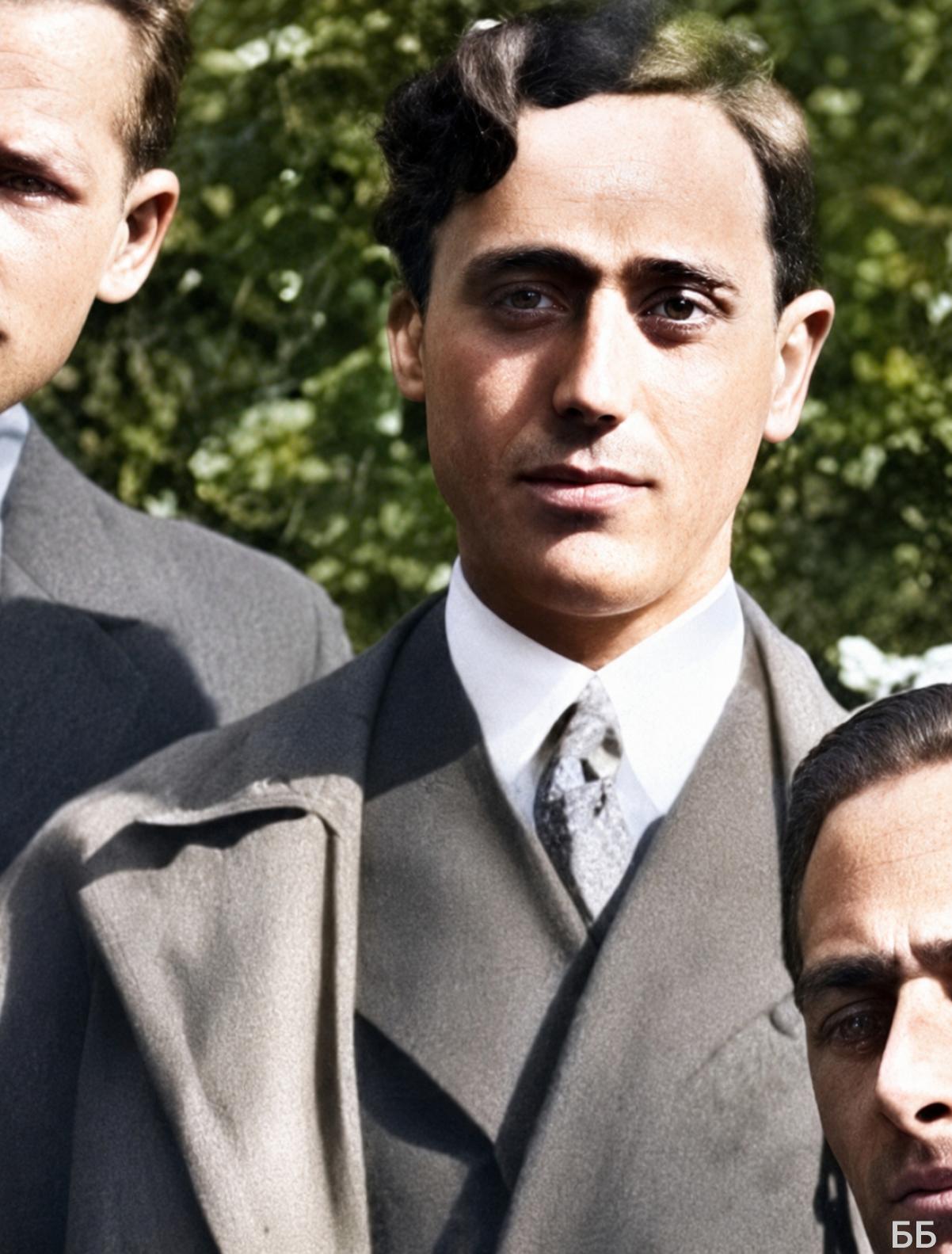
На протяжении многих десятилетий Лев оставался для нас почти безликой фигурой.
Одна фотография.
Несколько документов.
Горстка упоминаний, разбросанных по архивам.
Но за каждым документом стоит живой человек.
Человек, который любил музыку.
Человек, который создал семью.
Человек, которого вырвали из родного дома.
Человек, который пытался выжить в один из самых мрачных периодов человеческой истории.
Мне никогда не довелось встретиться со своим дедушкой.
Я знаю его лишь по фотографии, обрывкам семейных воспоминаний и документам, разбросанным по разным странам и архивам.
И всё же чем больше я ищу, тем сильнее чувствую, что возвращаю его в историю нашей семьи.
Сегодня, разыскивая следы его жизни в архивах и старых документах, я ищу не только даты и факты.
Я ищу человека.
Голос, который так и не был услышан.
Историю, которая так и не была рассказана.
Жизнь, оборвавшуюся слишком рано.
Это мой способ сказать:
Лев, мы тебя не забыли.
Даже если от памяти остались лишь отдельные фрагменты, даже если потребовались десятилетия, чтобы начать собирать эту историю по крупицам, твоё имя, твоя жизнь и твоя история продолжают жить в твоих детях, внуках и следующих поколениях.
Обращение ко всем, кто может располагать информацией
Я продолжаю искать документы, свидетельства, фотографии и любые сведения о Льве Вайнгартене (Леве, Лейбе Вайнгартене), сыне Ицка, родившемся в Седльце в 1911 году, депортированном из Бреста в 1940 году и, предположительно, умершем в Республике Коми в 1943 году.
Особенно меня интересуют сведения о его возможном повторном аресте и заключении, обстоятельствах смерти и месте захоронения.
Если вам встречалось его имя в архивах, семейных документах или исторических материалах, я буду глубоко благодарна за любую информацию.
Анат Гранот
Внучка Льва Вайнгартена
Lewi Wajngarten (1911–probably 1943)
Son of Icek Wajngarten | Born July 10, 1911, Siedlce, Poland
In loving memory of my grandfather
Some people leave behind books, diaries, and photographs.
And sometimes, some people leave behind only a question.
My grandfather, Lewi Wajngarten, was born on July 10, 1911, in Siedlce, Poland.
He was an upholsterer by profession and a gifted self-taught musician, a man who loved creating with his own hands and playing instruments that he had learned to play — and sometimes built — himself, especially the guitar.
Among the instruments he made was a full-sized guitar constructed entirely from pieces of wood and matchsticks that he found and carefully assembled himself, simply so that he could play music.
When World War II broke out, he and his wife, Henia (Henryka Włodawska), fled eastward in the hope of saving their family. Their journey took them to Białystok and later to Brest, where they hoped to find safety from the Nazi occupation.
But their hopes were shattered.
In June 1940, Lewi was deported by the Soviet authorities. His fate became intertwined with the Komi region of northern Soviet Russia, where he endured the harsh conditions of forced exile and labor.
According to family memories, he worked cutting trees in the forests of the Komi region, near Syktyvkar.
Polish archival records indicate that he was deported on June 6, 1940, and record his release on August 30, 1941, in the Kirov region.
Yet these documents do not tell us what happened to him afterward.
Very little is known about the final years of his life.
According to a story preserved in our family, Lewi was later imprisoned following an incident involving food ration cards. He is said to have taken responsibility in an attempt to protect his wife, Henia.
Our family also remembers that his death was connected to this imprisonment. However, the exact circumstances of his death have never been confirmed by surviving documents.
According to archival references, Lewi died in 1943, at approximately 32 years of age. The exact date and circumstances remain unknown.
He never lived to see the end of the war or the return of his loved ones to their homeland.
He left behind two young sons: Matys, born in 1940, and Izak, my father, born on February 11, 1943, in Syktyvkar.
According to our family history, Lewi never had the chance to meet his youngest son, Izak.
A father who never had the chance to hold his youngest child.
A son who never had the chance to know his father.
Both sons survived the war, later immigrated to Israel, and eventually carried the family name Granot.
Matys became an electronics technician, while Izak became a stamp designer.
For decades, Lewi remained almost a faceless figure.
One photograph.
A few documents.
A handful of references scattered through archives.
Yet behind every document stands a human being.
A man who loved music.
A man who built a family.
A man who was uprooted from his home.
A man who struggled to survive through one of the darkest periods in human history.
I never had the chance to meet my grandfather.
I know him only through a photograph, fragments of family memories, and documents scattered across countries and archives.
Yet the more I search, the more I feel that I am bringing him back into our family's story.
Today, as I search for traces of him in archives and old records, I am not searching only for dates and facts.
I am searching for the person.
For the voice that was never heard.
For the story that was never told.
For a life that was cut short far too soon.
This is my way of saying:
Lewi, we have not forgotten you.
Even if only fragments of memory remain, even if it has taken decades to begin piecing together the puzzle, your name, your life, and your story continue to live on through your children, grandchildren, and the generations that followed.
An appeal to anyone who may have information
I continue to search for documents, testimonies, photographs, or any information concerning Lewi Wajngarten (also recorded as Lev or Leva Vayngarten), son of Icek, born in Siedlce in 1911, deported from Brest in 1940, and believed to have died in the Komi region in 1943.
I am especially interested in records of his imprisonment, the circumstances of his death, and his possible burial place.
If you have encountered his name in archives, family records, or historical documents, I would be deeply grateful for any information.
Anat Granot
Granddaughter of Lewi Wajngarten

 Anat Granot