Add materials to bookmarks — click on the sign or select the 'Save to bookmarks' option in the post menu.
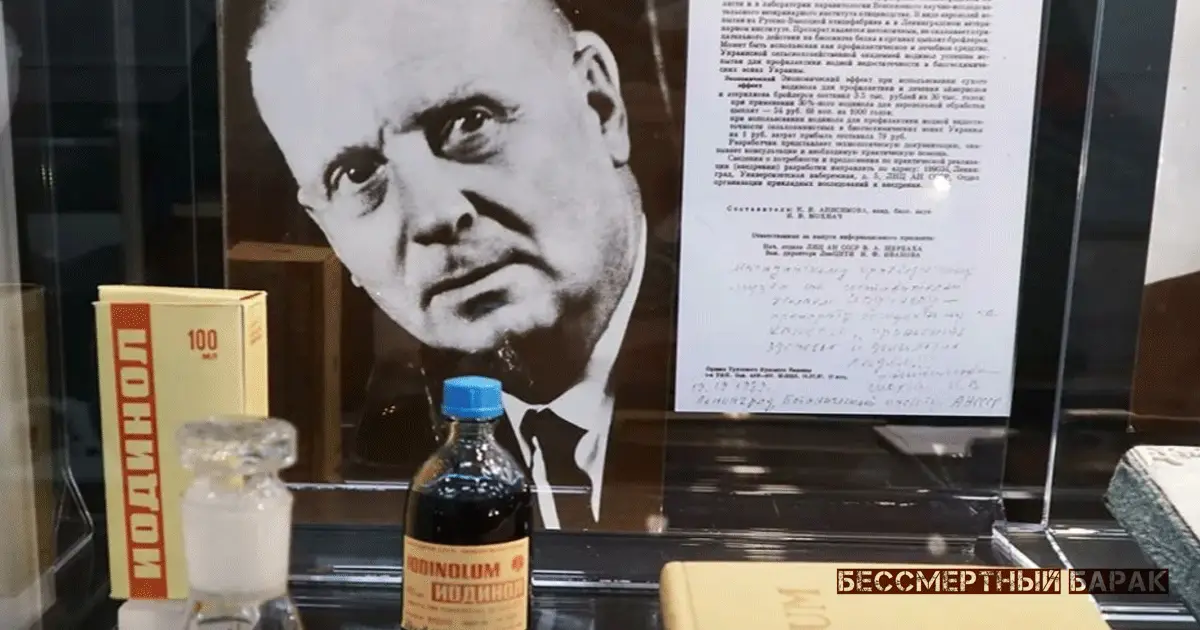
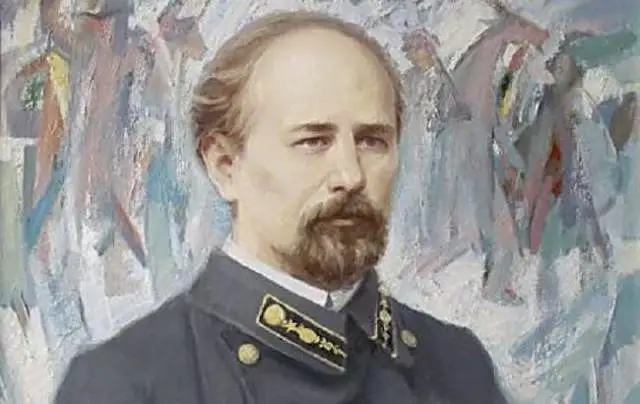
Vladimir Onufrievich Mokhnach, a brilliant physician and highly educated individual fluent in several foreign languages, including ancient ones, a candidate of chemical sciences and a doctor of biological sciences, holding the position of Director of the Far Eastern Branch of the Institute of Chemistry of the USSR Academy of Sciences, was arrested in 1937 in Vladivostok and sentenced for "counter-revolutionary activities" under Article 58: 15 years of imprisonment followed by 5 years of exile without the right to leave.
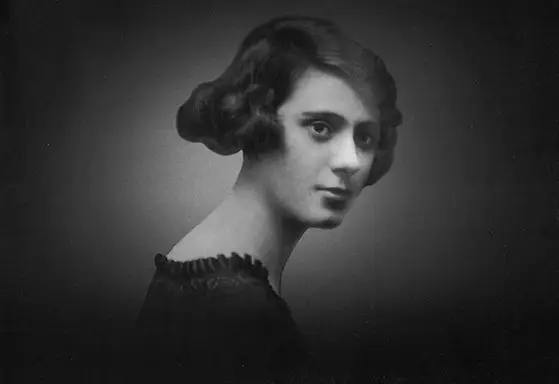
In the camp, inmates carved a piano keyboard for her on boards with a kitchen knife. And she played Bach, Beethoven, Chopin on this silent instrument at night. Women from the barracks later claimed they heard this soundless music, just watching her fingers and face distorted by the labor at the logging site.
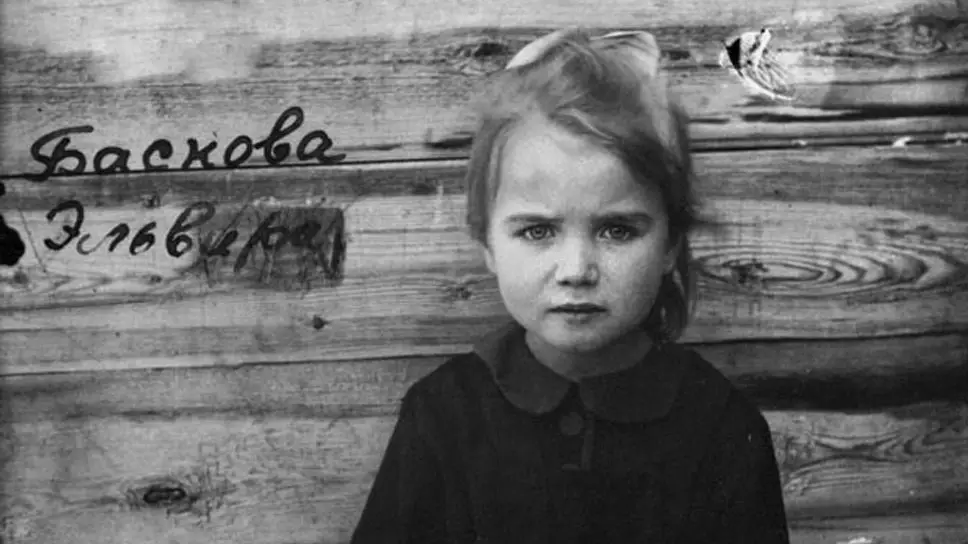
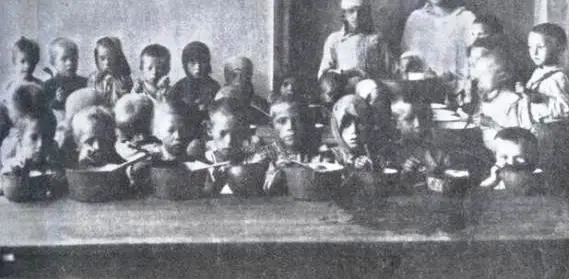
For a long time, I had a habit of crushing food with my hands. There were many worms in the food we were given, and we would throw them away. All the children were infested with lice; we destroyed them by touch. But no one was watching over us, and reading was allowed. I listened. I would retell from memory the books my older sister read. Several times, people wanted to adopt me, but they either wanted all three of us or none; they didn't want to separate the family.
At 17, she founded the Moscow Children's Theater (modern-day RAMT), at 28 - she became the world's first female opera director, staging Verdi's "Falstaff" at the Berlin Kroll Opera House. However, upon returning to the USSR in 1937, she was arrested as the wife of a "traitor to the Motherland." Her husband, Israel Veitzer, the People's Commissar of Internal Trade, was accused of counter-revolutionary activities. She awaited him for 5 years in the Gulag and exile. Upon returning to Moscow at the age of 61, she created another theater - the world's first children's musical theater, which now bears her name: the Moscow Children's Musical Theater named after Natalia Sats.
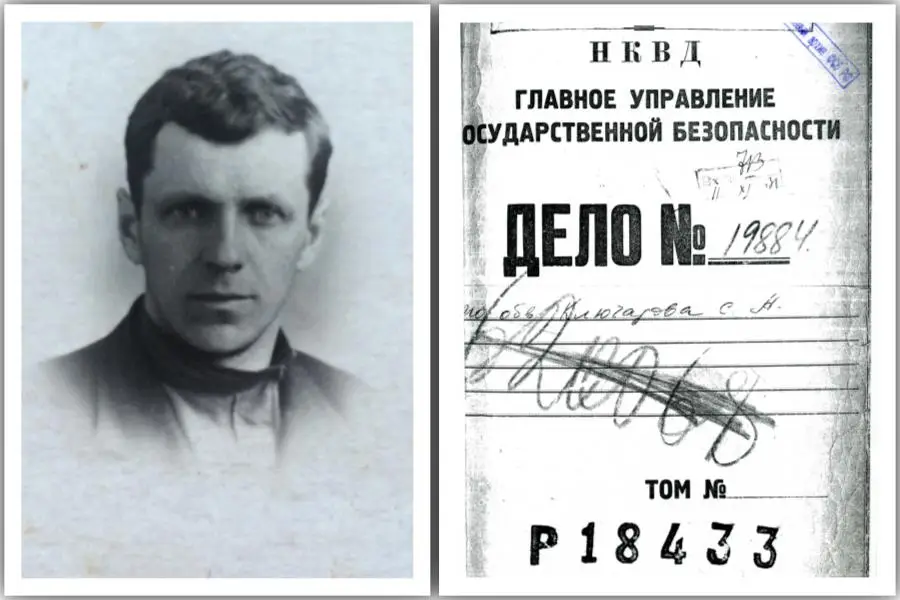
I look through the photos dozens of times. This one — taken three years before the arrest, and this one — six years before. I gaze at Sergei's belongings, which have been sitting in our home for many years, becoming familiar elements of our life and everyday existence. A watch, a mug, some dishes. Before me lie papers from the case file and a photograph. The last one. How he looked afterwards — during the investigation, during his time in custody, and during the transfer to the camp, where, apparently, they drove them for more than one month, how he looked there, - I don't know yet.
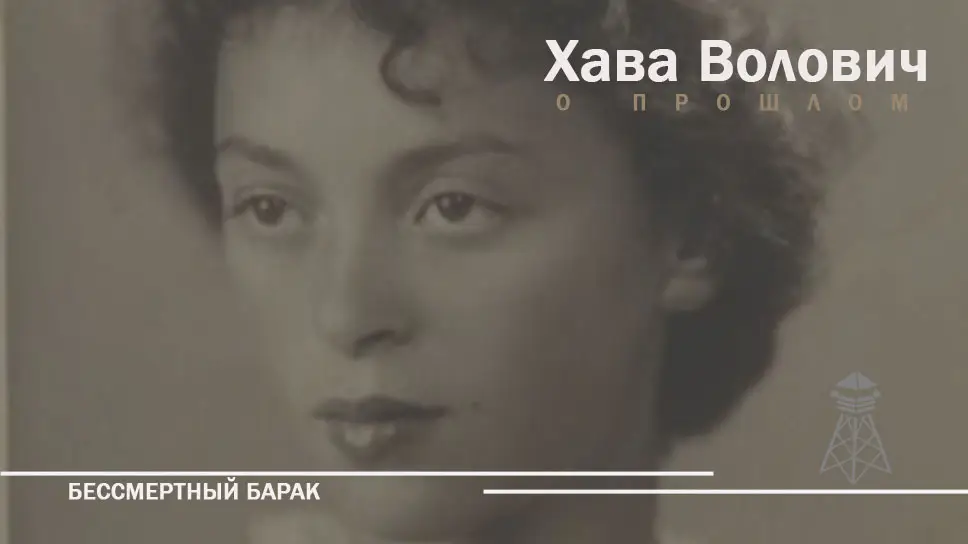
Sixteen years in labor camps, three years in exile, deprivation of rights - Khava Volovich dedicated her youth to the cold barracks behind barbed wire. She was just "one of many," a speck that the ruthless NKVD machine consumed without even noticing.
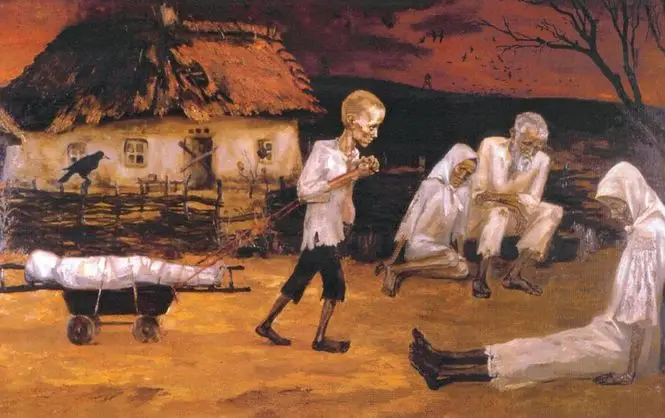
Hava Volovich: One can get used to his own hardships like to a chronic disease, but another person`s sorrow can still drive you to tears. It wasn`t Dunya`s destiny that had shocked me. She left her child with her mother and went away to seek better life. The father died, the family was starving. Her mother, if she was lucky to get any food, fed her own children first, and didn`t feed her new granddaughter at all, waiting for her to die soon. Vera turned into a skeleton covered with yellow skin and small white fluff.
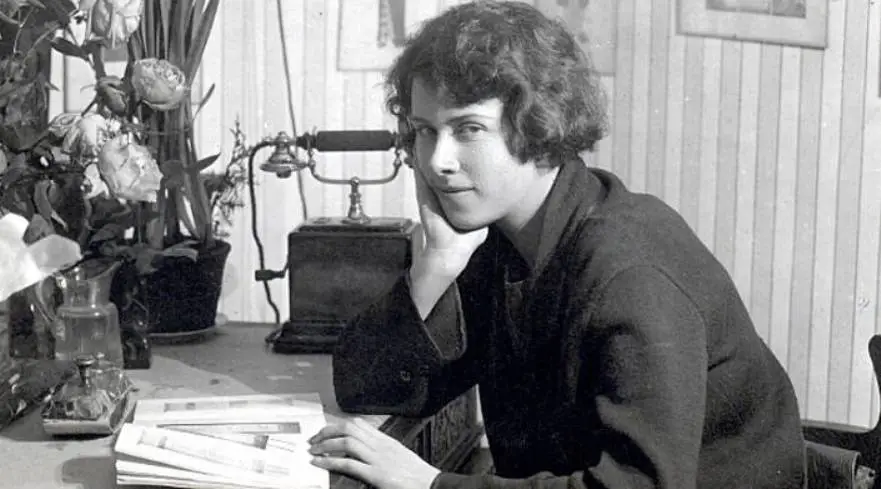
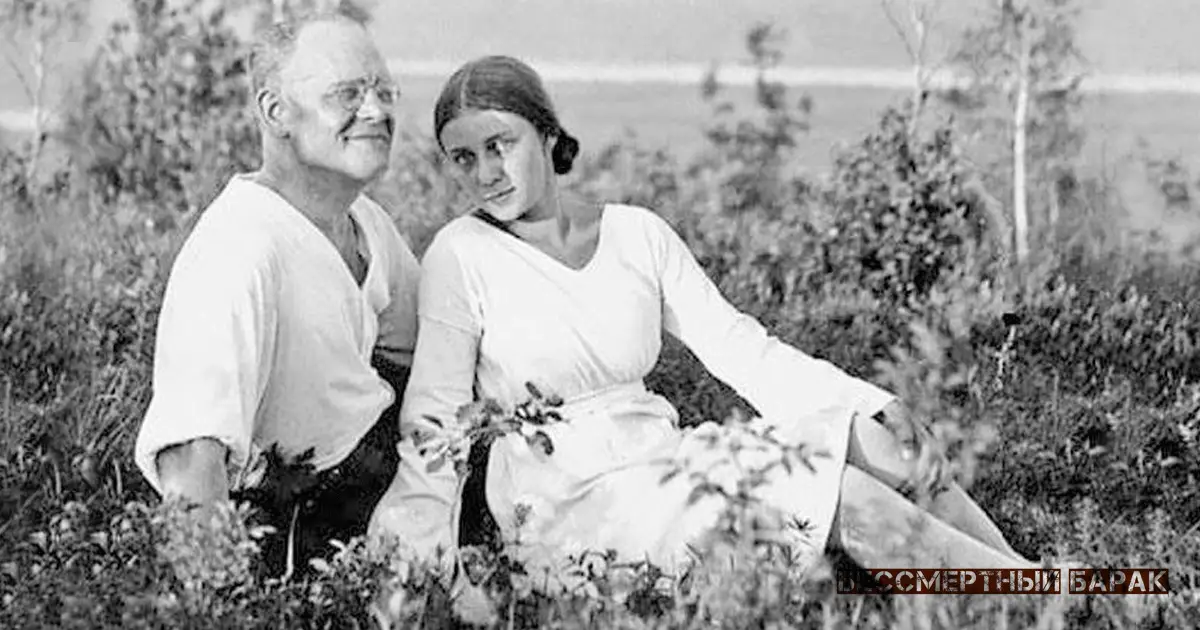
She was married for only seven years. Then, for 15 years, she waited for her husband from the Stalinist camps, not knowing he had been shot. And until the end of her life, she collected his letters, drafts, memories of contemporaries, painstakingly piecing together for us what remained of Isaac Babel.
Everyone Has Heard This Christmas Melody, but Few Know the Composer Killed by Bolsheviks
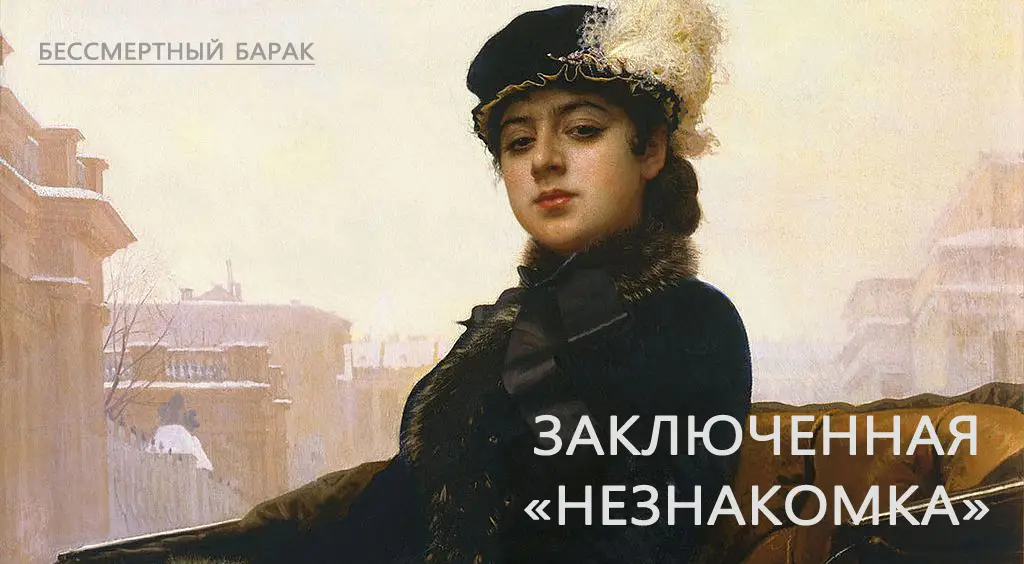
This is a story about the extraordinary destiny of Sophia Kramskaya, a daughter of the artist Ivan N. Kramskoy, who sat for the Portrait of an Unknown Woman (also known as “The Unknown Woman”, “An Unknown Lady” or “Stranger”). It is about the personal obscure tragedy of a girl from the school textbooks, whose portrait is familiar to everyone. It’s a shame that no one talks about her imprisonment.
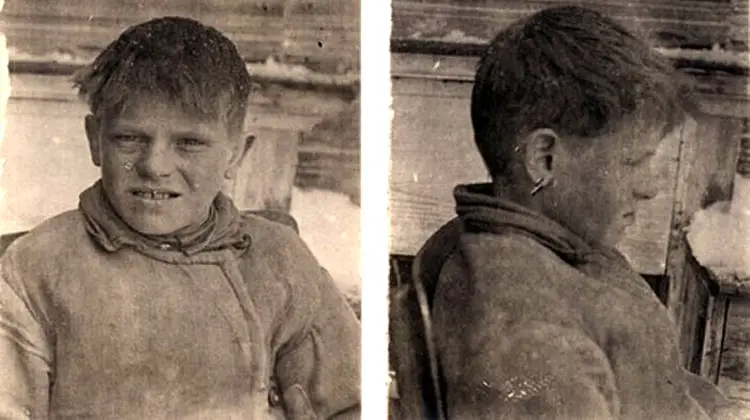
The «Black Raven» took a simple country boy namedGrisha (shortened from Gregory) Putilov on a night of the sorrowful 1938: people from NKVD preferred to work in the dark.
We were three mothers. It was allocated a small room for usin the barracks. Bedbugs cascaded here from the ceiling or from the walls like sand. The whole nights we collected them from the children.And during the day we must be at workdelegatingthe care of our kids toany active old woman, who ate the food which was left for the children